Neurological Aspects of Anxiety
By: Eliana Carmelino Brown and
Meron Mesfin Kebede
Anxiety not only impacts one's mental health and physical wellbeing but it has negative aspects on the brain. The body works as an ensemble, when one does not play its part properly it affects the rest of the ensemble. The reason why a good balance of anxiety is helpful is that it hyper-activates areas in your brain for you to respond to threats. This leads to the flight or fight response. However, anxiety can hinder activity in parts of your brain.
Anxiety floods our brains with stress hormones such as cortisol and adrenaline. The brain of someone who suffers from anxiety keeps releasing stress hormones until they feel overwhelmed. The danger in this is that when your brain keeps getting flooded by stress hormones, it makes the baseline level of anxiety increase.
Since anxiety hyper-activates areas in your brain, you can feel hyperactive to threats. If you are constantly in a state of anxiety your amygdala will grow larger. The amygdala is located in the limbic system and deals with emotions and moods. Its job is to send signals to the hypothalamus which in turn triggers the fight or flight response. If the amygdala is too large and hypersensitive, it causes the person to feel constantly anxious and overwhelmed, even in non-threatening situations.
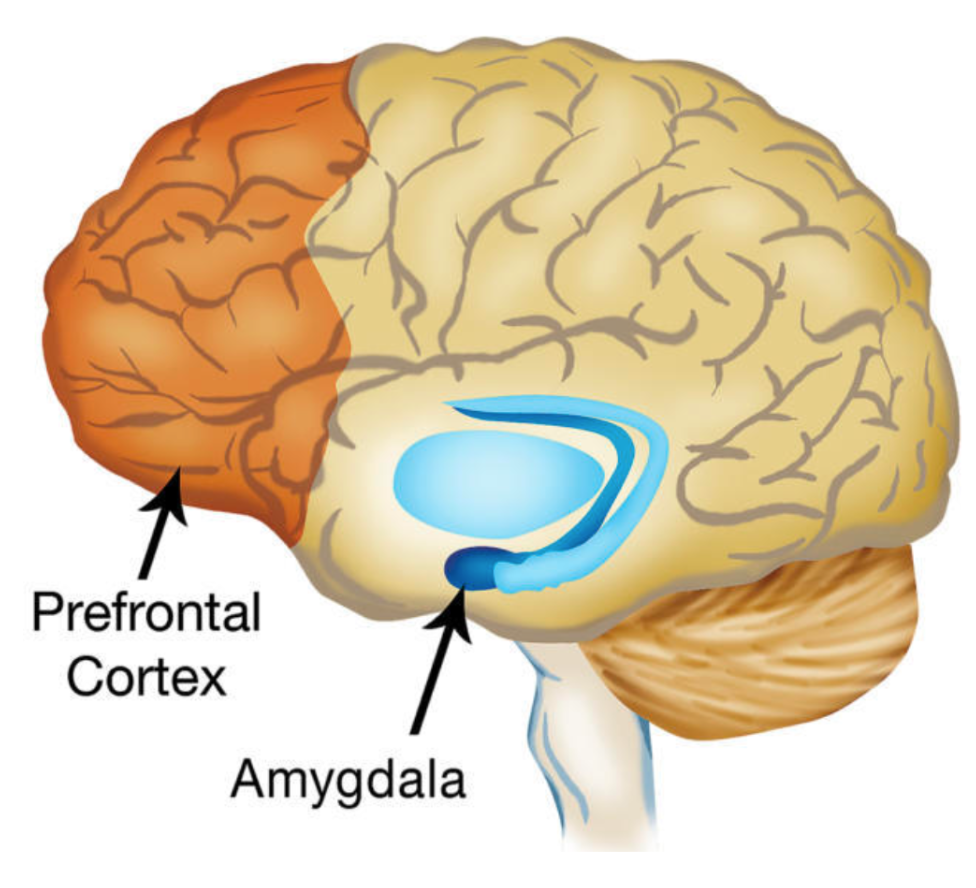
The third thing anxiety can do to your brain is making it harder to reason as it weakens the amygdala and prefrontal cortex (PFC). The PFC is the center of cognitive behavior, such as thinking, planning, keeping our emotional responses in check, and social behavior. When you are in a stressful situation, the amygdala alerts the PFC which helps provide a rational response. However, due to the flooding of stress hormones in a brain that is constantly in a state of anxiety, this connection doesn’t happen leading to irrational thinking such as; ‘If you don’t do well on the math test you won’t get accepted to university.’ A lack of amygdala and PFC connection can also lead to erratic behavior. The Limbic system is the more ancient part of the cortex where emotion processing takes place. In the limbic system, there is the hippocampus that plays a vital role in the stress response and regulation of the hypothalamus-pituitary-adrenal axis (HPA) axis. The hippocampus and neurogenesis play an important role in developing resilience towards stress and anxiety.
There are different types of anxiety disorders, such as general anxiety disorder, phobias, and social anxiety. Some people are more prone to anxiety than others. This can be because of genetics. There have been multiple studies that demonstrated that a person is at a 3-5 times greater risk of developing an anxiety disorder if a direct relative also suffers from anxiety. Another factor that increases the likelihood of developing anxiety is drug and alcohol abuse.
Difference Between Anxiety and Stress
What is the difference between anxiety and stress? Stress tends to be caused by external triggers, and the triggers are short-term. However, anxiety is defined by ‘persistent, excessive worries that don’t go away even in the absence of a stressor.’ Anxiety is more of a long-term feeling that produces symptoms such as insomnia, difficulty concentrating, fatigue, and irritability. In life, we experience anxiety daily, whether it is worrying about the upcoming test or doing a track event. Once you overcome the event your ‘anxiety’ levels go back to normal, however, if you have an anxiety disorder these feelings persist. There are different types of anxiety, such as social anxiety, generalized anxiety (GAD), post-traumatic stress disorder (PTSD), and more.
Drugs and Anxiety
People with anxiety have a risk of developing an addiction to drugs. Taking drugs to relieve anxiety may work temporarily. However, once the effects of the drug wear off, the symptoms of anxiety will return. The person may then start using drugs regularly in pursuit of that temporary relief, and what may have started as ‘casual’ use can develop into addiction. The body can develop a tolerance to the drug, leading to a need to increase intake of the drug, which can worsen the addiction cycle. For example, in the US, 33 to 45 percent of people with anxiety also use drugs. In addition, the financial, health and legal problems, and relationship conflicts that are often associated with drug abuse can aggravate a person’s anxiety. Alcohol is another substance that’s related to anxiety. Drinking alcohol affects the human body on a chemical level. Consistent and prolonged use of alcohol can cause a chemical imbalance to occur, and this imbalance can give rise to mental struggles such as anxiety. Another negative effect of drugs or alcohol abuse is that they may mask the symptoms of anxiety, increasing the possibility of the anxiety going undiagnosed. This in turn may keep the individual from getting treatment.
The first step towards treatment for people suffering from both anxiety and drug or alcohol addiction may be a medical detox, with medical staff present to help them through withdrawal symptoms. Once the detox period is complete, the person can transition into therapy (this is recommended as detoxing alone isn’t effective) with the support of friends and family. This therapy can take many different forms, but the most commonly used is cognitive behavioral therapy or CBT, which operates around the idea that one’s thoughts, and not their situation, determine how they feel and behave. It therefore attempts to understand one’s thoughts and make them less anxiety-inducing. Other types of therapy, some of which are closely related to CBT, are exposure therapy, dialectical behavioral therapy, acceptance and commitment therapy, art therapy, psychoanalytic therapy, and interpersonal therapy. In some cases, medication may also be used as a supplement to therapy.
How to help those who have anxiety?
The best way to help someone with anxiety is to first recognize the signs of anxiety. Some of the physical symptoms of anxiety include lightheadedness, sweating, nausea, shortness of breath, diarrhea, and getting easily fatigued. Some of the psychological symptoms of anxiety are believing the worst will happen (pessimism), persistent worry, all-or-nothing thinking (having no middle position or compromise), second-guessing, avoidance of feared situations, and irritability and frustration in feared situations. However, it’s important to note that the symptoms of anxiety vary from person to person.
Some responses to anxiety are often unhelpful, such as enabling. This involves helping the person with anxiety avoid difficult situations. Even though this may seem like a caring and supportive thing to do, it can actually lead the anxiety to persist and grow. This doesn’t mean that forcing confrontation is a good response either, as it may be overwhelming form them and it can lead to a loss of trust.
One of the ways to help someone with anxiety is through providing validation. A situation or thing that makes a person with anxiety anxious may not seem significant to others. So it is essential to not belittle their feelings and instead show understanding and offer support. Expressing concern is another way to help someone with anxiety. If someone starts avoiding activities or situations that they used to enjoy, express concern and ask what caused the change. One possible format for doing this is, “Hey, I noticed that you’ve been avoiding going to [insert location] and other social gatherings. Can you share with me what caused the change?”.It’s also important to encourage the person to seek professional help if it becomes necessary.
How to help yourself
Some of the things that the Anxiety and Depression Association of America suggest can help cope with anxiety include taking a time-out (stepping back from the problem/situation), eating well-balanced meals, limiting alcohol and caffeine intake, getting enough sleep, exercising daily, taking deep breaths, counting to 10 slowly, welcoming humor, getting involved (volunteering), learning what triggers your anxiety and possibly writing about it in a journal, and talking to someone, i.e. friends and family. Another essential way to help with anxiety is to seek professional help. With all these recommendations, the person will need to take the initiative on what approach they want to take to treat their anxiety.
Last update: February 14 2022
Works Cited
ADAA. "Tips to Manage Anxiety and Stress." Anxiety and Depression Association of America, adaa.org/tips. Accessed 24 Nov. 2021.This website gives tips and advice on how to manage anxiety
---. "What Is Anxiety and Depression?" Anxiety and Depression Association of America, adaa.org/understanding-anxiety. Accessed 24 Nov. 2021.
APA. "What's the Difference between Stress and Anxiety?" American Psychological Association, 20 Sept. 2020, www.apa.org/topics/stress/anxiety-difference. Accessed 24 Nov. 2021.
BrainTrainCoach. "Inner Tube Biofeedback Software Game for Alive Biofeedback Systems." BrainTrainCoach, braintraincoach.com/product/inner-tube-biofeedback-game/. Accessed 30 Oct. 2021.
Cygan, Donna Skeels. "Retrain Your Brain for Better Financial Decision." Albuquerque Journal, www.abqjournal.com/808912/retrain-your-brain-for-better-financial-decisions.html.
Herron, Krisi. "Anxiety and Substance Abuse." Edited by Devin Golden. The Recovery Village, 16 Apr. 2021, www.therecoveryvillage.com/mental-health/anxiety/substance-abuse/. Accessed 24 Nov. 2021.
McGuire, Joseph. "How to Help Someone with Anxiety." John Hopkins Medicine, www.hopkinsmedicine.org/health/treatment-tests-and-therapies/how-to-help-someone-with-anxiety. Accessed 24 Nov. 2021.
Stoneridge. "How Does Anxiety Affect the Brain." SoneRidge, pronghornpsych.com/how-does-anxiety-affect-the-brain/. Accessed 24 Nov. 2021.This website looks as anxiety and its impact on the brain
Walker, Leah, editor. "The Connection between Anxiety and Drug Addiction." Greenhouse Treatment Center, 10 Sept. 2020, greenhousetreatment.com/co-occurring-disorders/anxiety-and-addiction/. Accessed 24 Sept. 2021.
Wlassoff, Viatcheslav. "The Neurological Basis of Anxiety." BrainBlogger, 20 Dec. 2017, www.brainblogger.com/2017/12/20/neurological-basis-of-anxiety/. Accessed 24 Oct. 2021.